

By Grette Buttner, Banner Staff
The Massachusetts Ballot questions present five important issues regarding pre-existing and new legislation, which Massachusetts residents will vote on during Election Day. Depending on the results, the laws concerning each ballot initiative will either be updated or remain the same.
The first ballot question would allow the State Auditor, an officer who examines state entities to ensure the government is working well, to alter not only state entities but the legislature’s processes and responsibilities themselves. Proponents of the initiative claim this power will allow for more transparency in the Massachusetts Legislature. Counterarguments maintain that the change will disrupt the balance of power within the Legislature.
The second issue is the elimination of passing the Massachusetts Comprehensive Assessment System (MCAS) as a high school graduation requirement. Supporters of the change say MCAS is a “one size fits all’ exam that fails to measure other student achievements. Jessica Marmer, ’25 at Wellesley High School, agreed: “The test doesn’t consider different ways students learn and can hurt those who don’t do well in a test environment. A single testing day doesn’t accurately reflect a student’s knowledge over the entire year.”
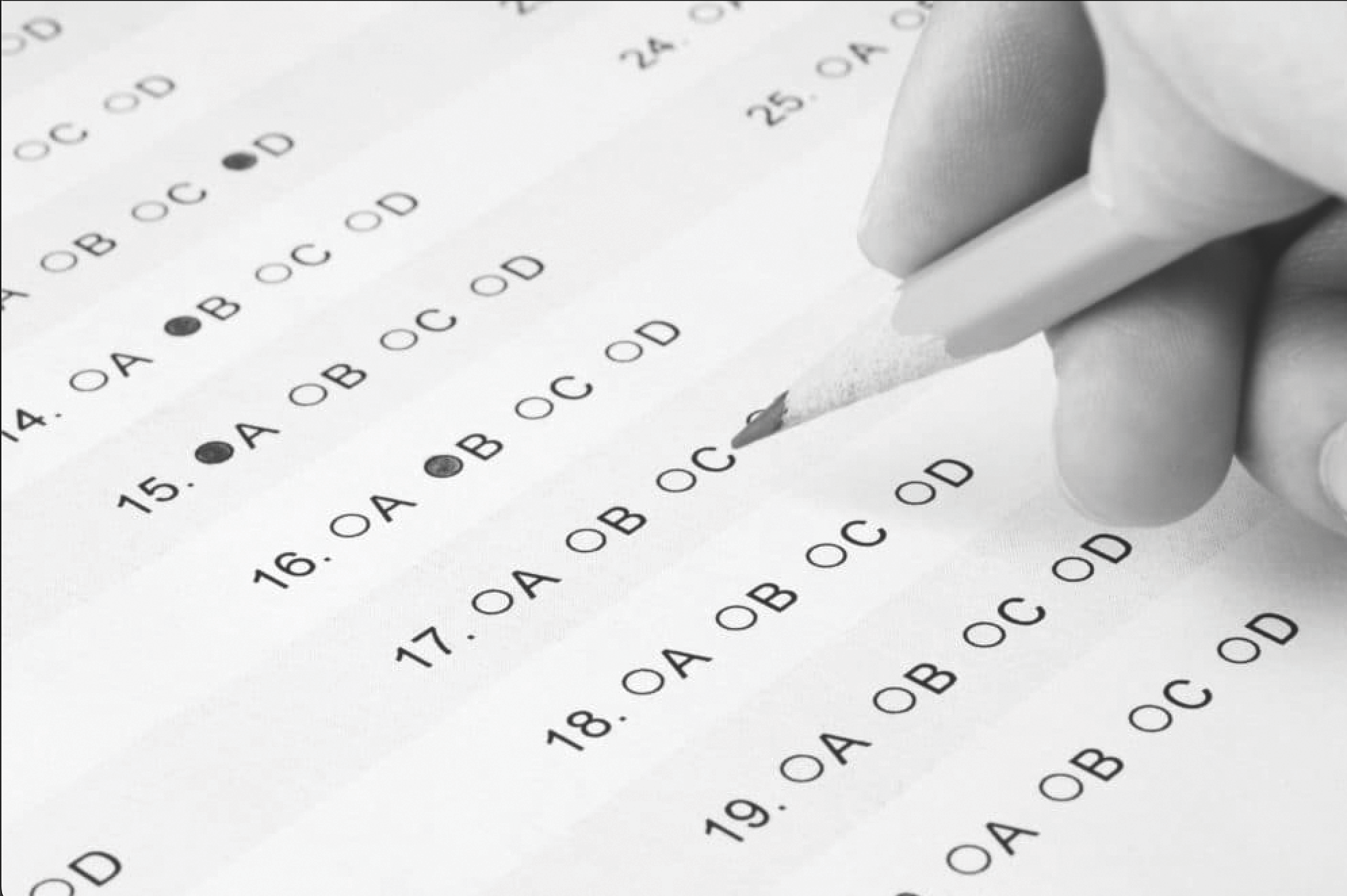
MCAS Test
Photo from Google Images
The third ballot issue would provide Massachusetts rideshare drivers with the “right to form unions” to negotiate “benefits and terms and conditions of work” with their respective companies. Parties in support argue that the law would create “an option to join a union while also maintaining driver flexibility.” Arguments against the law claim that rideshare drivers already receive significant protections; thus, the law will raise prices for riders and force drivers to pay significant dues for a union over which they will not have control.
The fourth ballot initiative would allow individuals over 21 years old to possess, purchase, and grow limited amounts of naturally occurring psychedelics under certain circumstances. Those in favor argue that the law will provide “safe, regulated” access to the drugs that provide medical relief for “depression and anxiety.” Parties opposed maintain that these drugs have an extremely high level of cardiotoxicity and that the lack of stricter substance regulations in the law could lead to black market activity.
The fifth ballot initiative would gradually increase the current wage of tipped workers from $6.75 per hour (without tips) to the state standard minimum wage of $15 per hour by 2029. Arguments in support claim that the law will create “greater financial stability” for workers and make big corporations pay their fair share of wages. Nika Bigelow ’25 argues in opposition, saying that “while it seems like a net benefit on the surface to pay tipped workers their full minimum wage upfront, it could foreseeably have downstream effects in incentivizing businesses to hire fewer workers or price increases to make up for the higher cost of paying their workers.”
Each of these ballot initiatives will have a signifcant impact on the people of Massachusetts and future legislation. History Teacher Mr. Mirelman adds that the initiatives “give the people a voice in the laws that they want,” making them “absolutely” important to know about.
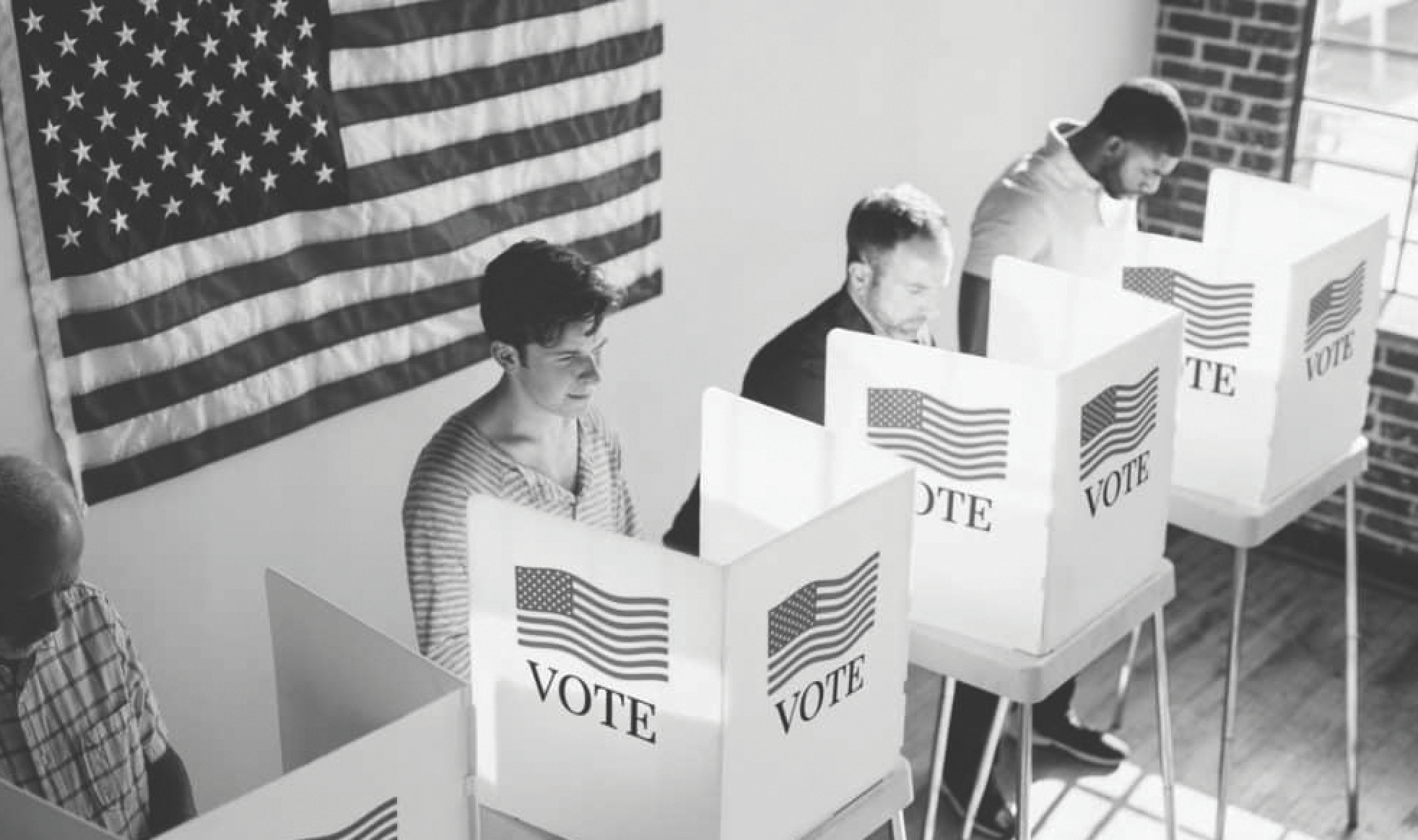
Voters Casting their Ballots
Photo from Google Images
 Winsor Banner