
By Leela Uppaluri, Banner Staff
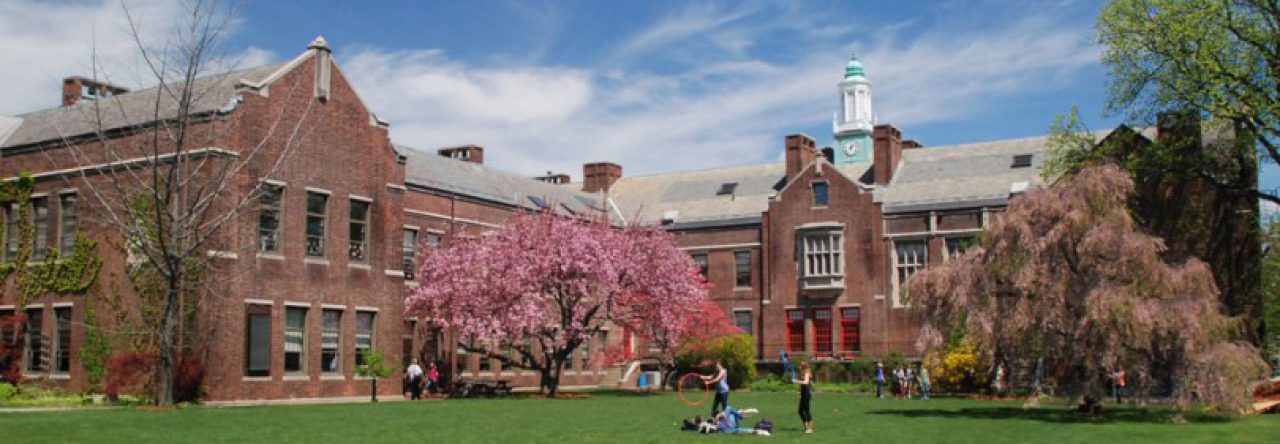
While most students don’t think twice about navigating Winsor, the reality is that the school can be difficult to traverse for those with physical impairments. As Science Teacher Mr. Player, who uses a cane due to his disability, says, “It’s a building that feels like it was designed by M.C. Escher [a graphic artist known for his impossible constructions and optical illusions] when it comes to stairs.” He also notes that the elevators are “slow,” “kind of jerk you around,” are poorly placed, and there is a lack of adequate passing time between classes. Overall, Winsor clearly needs to be more accessible and accommodating to those with mobility challenges.
After a recurring hip injury left her on crutches for several months, Frances McAleer ’26 was able to provide valuable insights into Winsor’s accessibility challenges. McAleer describes her experience with Winsor’s accessibility as “mixed.” While she does acknowledge the helpfulness of teachers and staff—particularly Nurse Sue—who have provided support during her injury, she also mentions hardship in navigating the school’s physical layout. Youjin Choi ’26, another student who has been on crutches this year, added that the lack of balanced elevator placement throughout the school makes it even harder to get from one class or location to another. “Getting to the science wing from the junior homeroom is laborious, [and] many of the elevators in the LOC stop working sometimes,” she explained, adding that these obstacles amount to a long trek.
This pressure of navigating the school is compounded by the organization of schedules, which allow limited passing time. As Choi explained, “zero to five minutes of passing time isn’t enough.” Although teachers are usually understanding, Choi adds that the stress of navigating the school on crutches has been particularly prominent during high-pressure times, like when she has an assessment in her next class.
To address this, McAleer suggests a potential solution: “Allowing students who need more time to leave class a few minutes early would be a huge help. Alternatively, adding a few more minutes between classes would also alleviate some of the stress.”
Beyond the logistical challenges, Mr. Player highlighted a broader issue: a lack of awareness within the school community, particularly among Lower School students. He expresses that, “they really zip around” and “do a lot of backwards walking without knowing what they are walking into. So I don’t think they realize how much I’m, as best as I can, trying to avoid their path and dodge them.” McAleer also echoed the general lack of understanding of some students for those with physical challenges. “People don’t always understand the time it takes to climb stairs or crutch up the hallways,” she says. On multiple occasions, McAleer had to contend with classmates making “snarky remarks” behind her or rushing past her to avoid being delayed. However, this lack of awareness can be addressed through education. Implementing initiatives like an assembly or dedicated homeroom discussions could help students be more mindful of accessibility.
While it would be ideal to address the structural issues at the school—and we should continue advocating for these adjustments—it’s understandable that such changes may be unrealistic in the short term. Installing a new elevator, for example, in the older part of the school would require significant time and financial investment.
However, there are still opportunities to enhance accessibility at Winsor outside of structural improvements. Awareness is the first step toward making the school more inclusive. As Mr. Player points out, “I think everyone’s so generally nice… but the biggest gap is just even being aware of things that they can help with.”☐
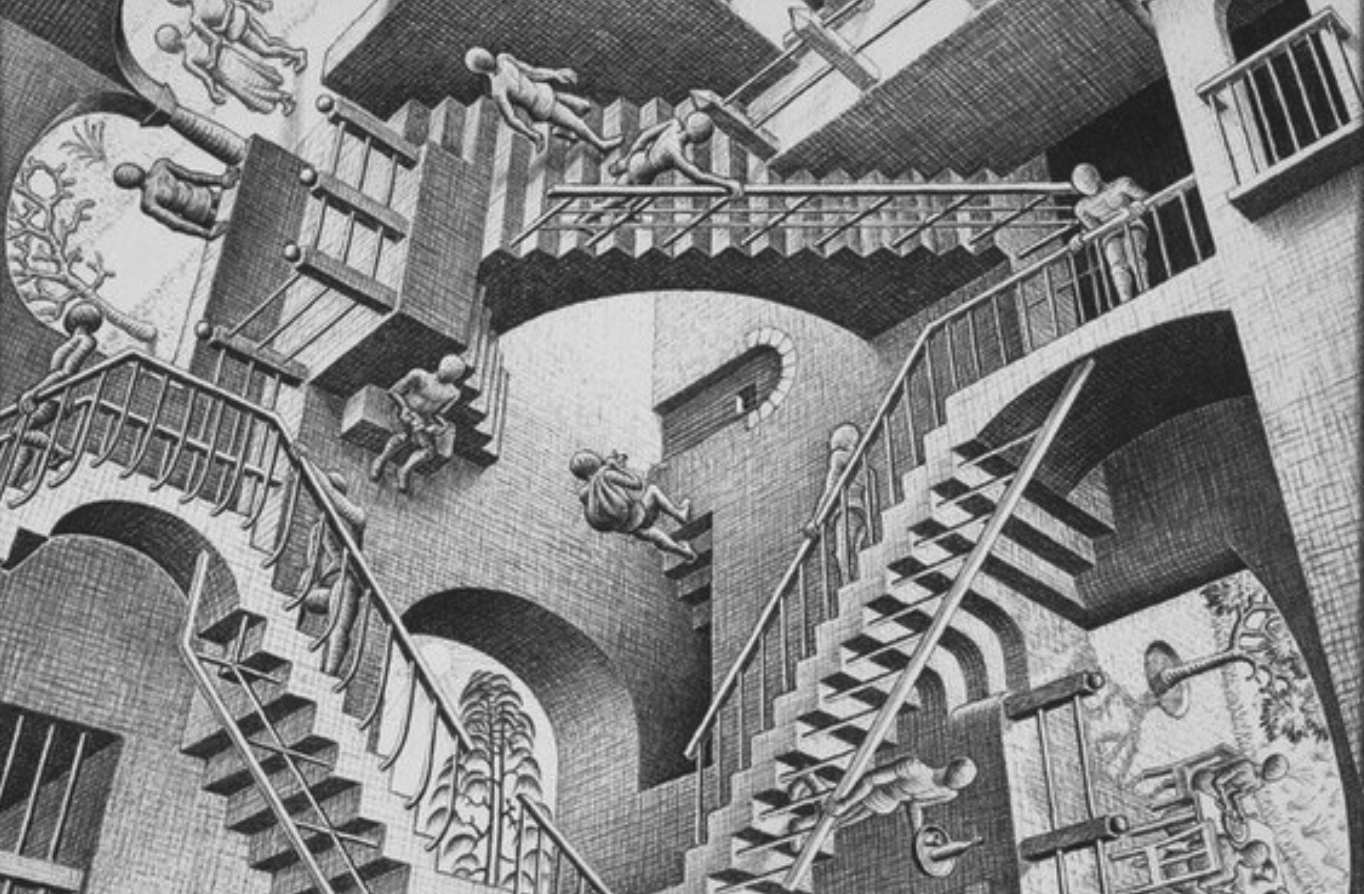
M.C. Escher’s Relativity (1953), photo from Cordon Art-Baarn, The Netherlands
 Winsor Banner