
By Louisa Furman & Leela Uppaluri, Banner Staff
Winsor’s Martin Luther King Jr. Day assembly on January 21, just one day after MLK Day, marked an important opportunity for students to learn more about the Civil Rights Movement beyond the classroom. Winsor hosted an assembly called At the Table with Dr. King by the Mizel Museum in Denver, Colorado. This engaging presentation blended art with history, as performers used music, spoken-word poetry, historical video footage, and Dr. King’s own words to connect past civil rights struggles with present-day reflections on equality and respect. As Mr. Braxton, Winsor’s director of Community and Inclusion, noted, students learn about Dr. King in classes, but the assembly experience is important as it makes Dr. King’s story “more accessible” and allows students to connect with the purpose and passion of Dr. King through an incredible, riveting multimedia presentation.
The assembly commenced with the voice of Dr. King recalling a phone call he received on January 27, 1956. As the tension of the music increased in the theater, the performers revealed that this call was a death threat—one that forced the young Dr. King to confront a profound dilemma: should he step back from the Civil Rights Movement to protect himself and his family? No one would have blamed him for doing so. At just 27 years old, with a wife and a young baby at home, that choice would have been both logical and easy.
However, another powerful voice began to sing, “Stand up for righteousness, stand up for justice, stand up for truth,” while the atmosphere quickly shifted as the music became more intense. Dr. King’s choice to continue as the face of the Civil Rights Movement despite the stakes involved was not only inspiring but also incredibly captivating with the emotional musical storytelling of the performers.
The assembly went on a powerful journey through the Civil Rights Movement, taking students and faculty through pivotal moments in Dr. King’s life, from his “Letter from Birmingham Jail” to his renowned “I Have a Dream” speech. The fusion of Dr. King’s voice, jazz undertones, and the dynamic energy of the music kept the audience on the edge of their seats. As Mr. Braxton observed, “The music, images, and spoken word vividly brought the Civil Rights Movement and Dr. King to life.”
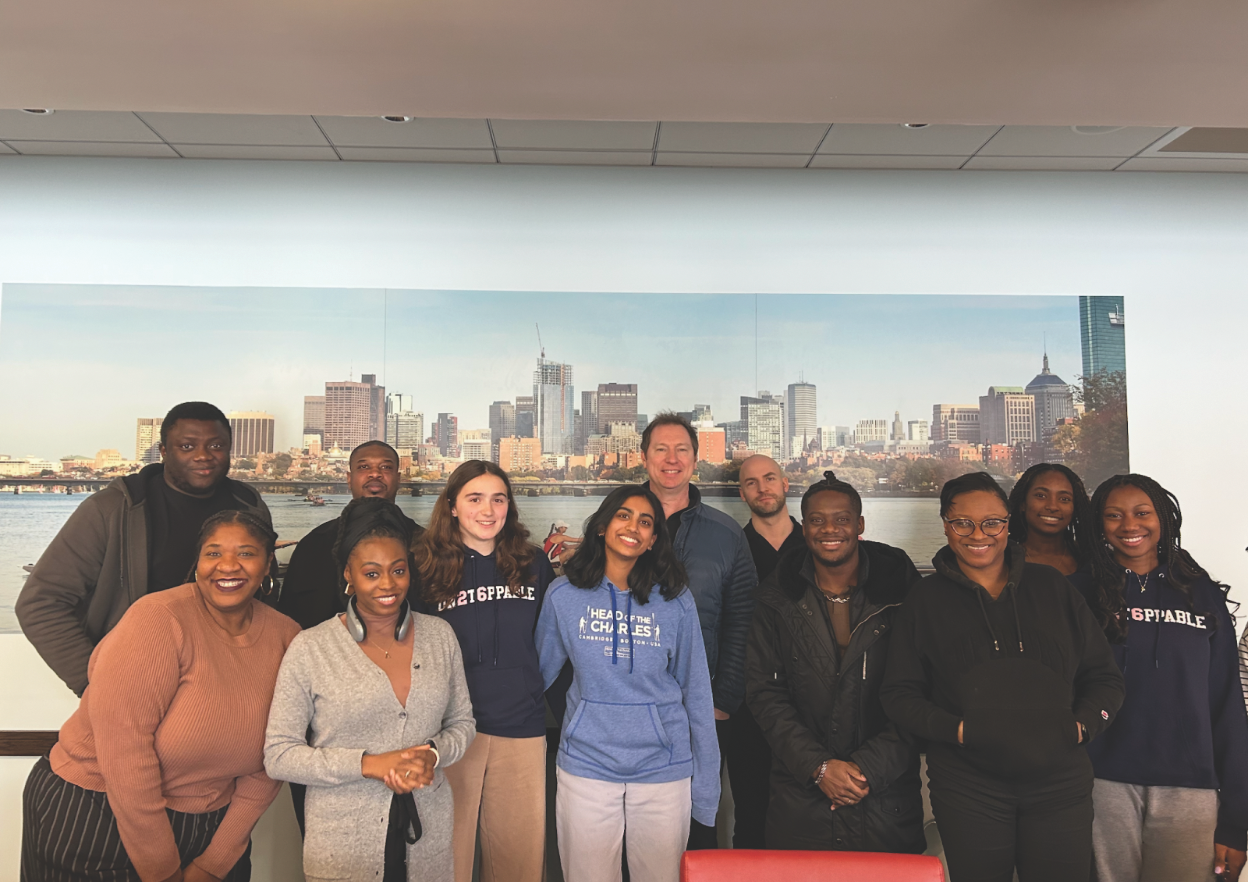
Students were given an opportunity after the assembly to speak with the performers during lunch, where performers and students alike reflected on the importance of advocacy, spirituality, and music in their lives. Solèy Toussaint ’27, who attended the lunch meeting, remarked, “It was interesting to hear the ways that each performer landed in the position that they are in… and how many complicated moving parts were involved in the performance.” Toussaint also spoke of how the assembly “was able to resonate with everyone” due to the performers’ “thoughtful mixture” of music, poetry, images, and speeches.
As the Winsor community looks back on the incredible At the Table with Dr. King assembly, students can take away from Dr. King’s courageous story the themes of resilience, passion, and standing up for what one believes in. Mr. Braxton concluded, “Hopefully, the presentation inspired people to know that they can also make changes.”

